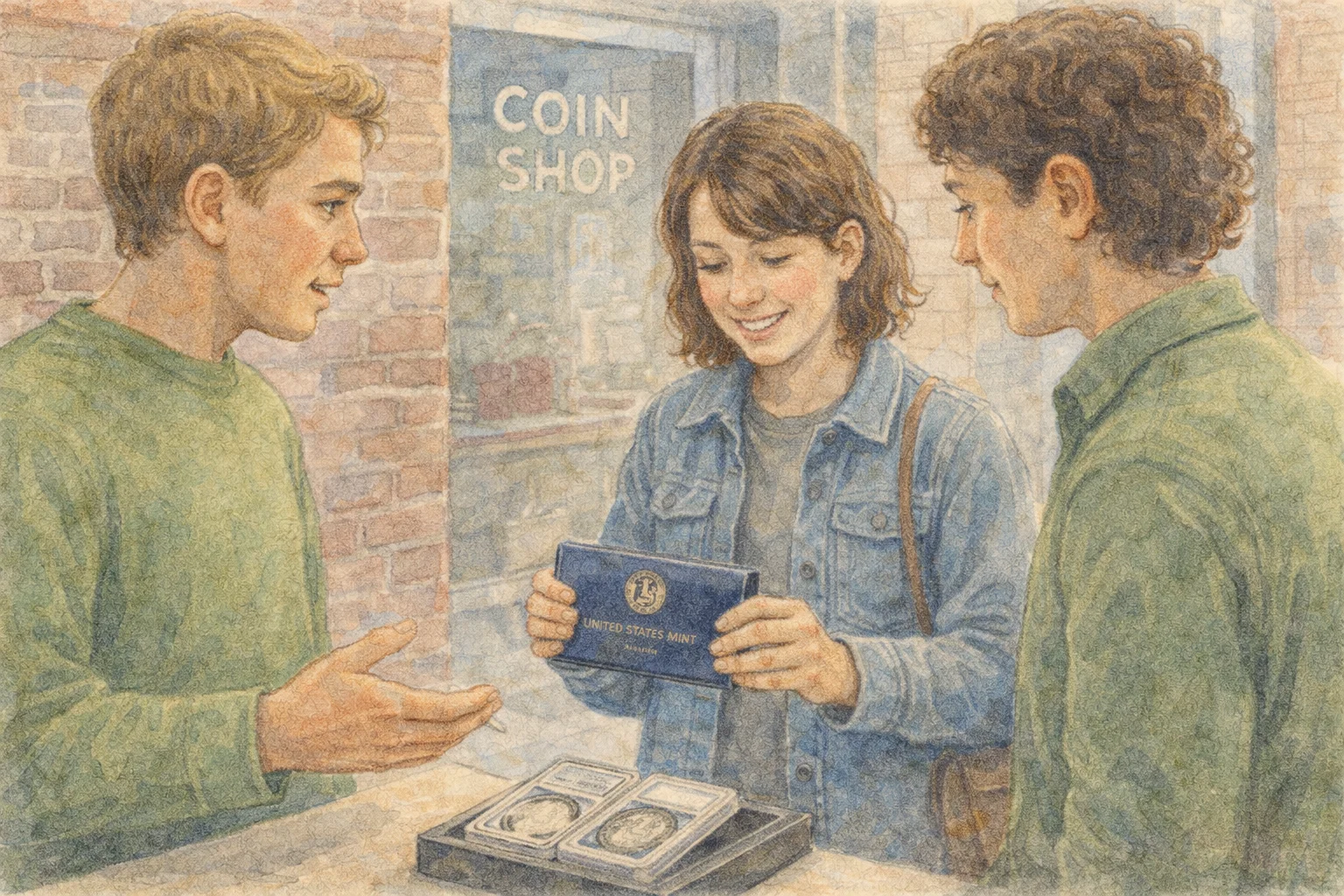
Travel offers more than movement across distances or taking a break from routines. Each destination holds layers of history and the people who keep stories alive. Travelers who slow down and observe these details uncover a richer, more grounded understanding of the places they visit.
If you desire more knowledge from your routes, this is the right place to learn how. There are unexpected strategies to find hidden history right in your eyesight. With some patience, digital tools like a coin scanner app, and a passion for discoveries, any traveler can make their vacation one-of-a-kind.
Streets and Landmarks: The City Itself Tells the First Story
Travelers often focus on large attractions, yet a city’s most authentic history sits in plain sight. Streets, faded plaques, and small architectural details reveal how people lived, worked, traded, and rebuilt across generations. Learning to read these everyday markers transforms a simple walk into a historical investigation.
Why Streets Function as Time Capsules
Street names rarely appear by coincidence. Many honor leaders, merchants, explorers, or local traditions. Others mark key events—battles, treaties, industries, or cultural shifts. Observing these names while walking through unfamiliar neighborhoods uncovers the identity of the community long before formal museums enter the picture.
Architecture deepens the story. Materials, facades, and construction styles change through eras, leaving visible layers of influence. A row of narrow stone houses may indicate medieval planning. Wider boulevards often signal later modernization. Even a single renovated building can show how a city adapted after fires, floods, or political changes.
Practical Ways to Explore Streets for Historical Clues
Structured strategies help turn casual wandering into insight:
1. Build a Small Scavenger Hunt
Create a checklist before your walk. Focus on:
- Bronze or stone plaques
- Statues and memorials
- Old street signs
- Historic shopfronts
Each detail becomes an anchor for a larger narrative.
2. Compare Old and New Maps
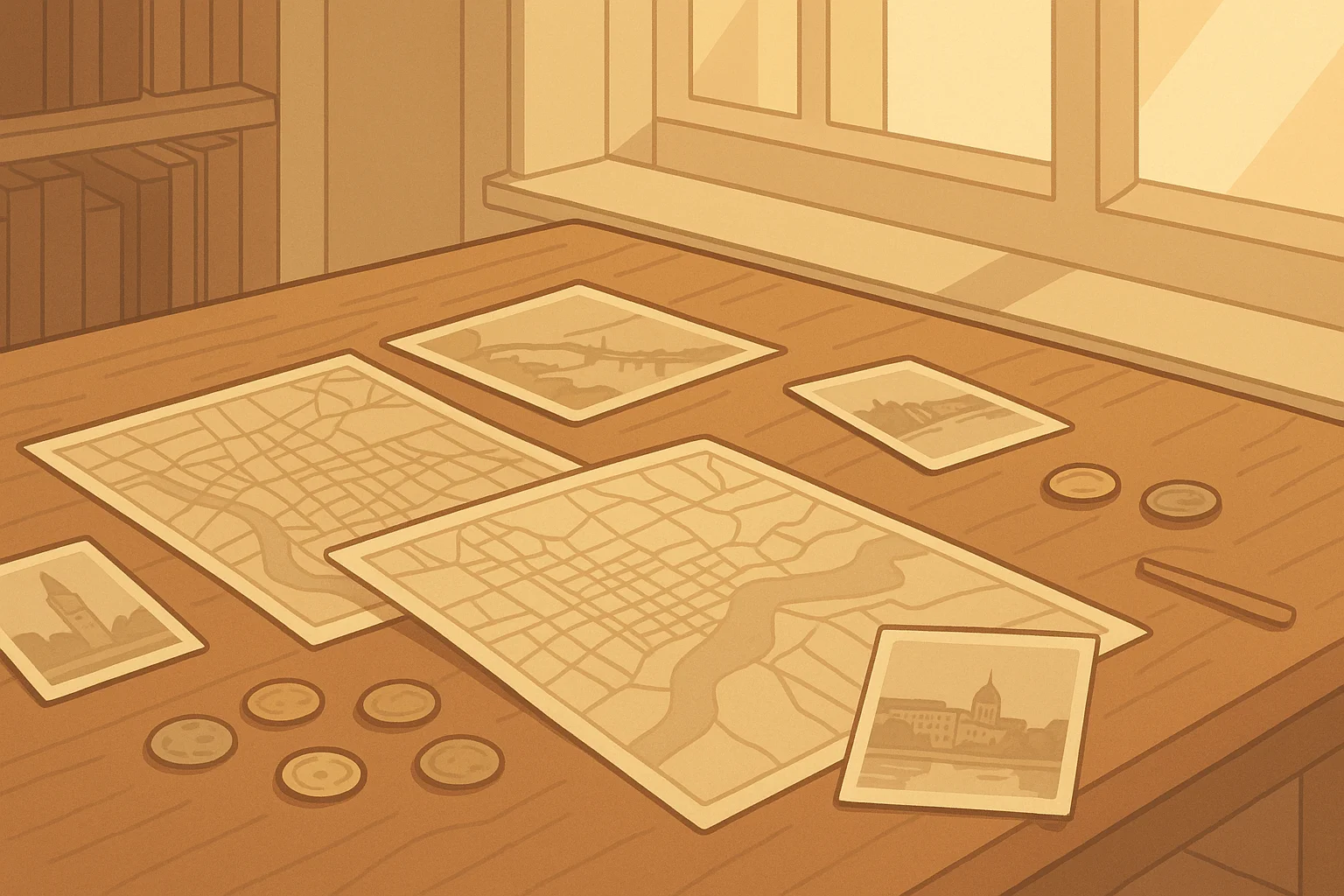
Many cities offer digital archives or easy-to-access historical maps. Local libraries often keep printed versions. Comparing them with modern layouts highlights:
- Re-routed canals or rivers
- Streets removed during expansion
- Past markets or industrial zones
- Districts shaped by migration
This method shows urban evolution in a clear visual format.
3. Pay Attention to Borders Between Neighborhoods
Transitions often reveal economic or cultural divides. Changes in architecture, street width, or decorative details indicate shifts in population or industry.
Foods, Markets, and Coins: Tracing Culture Through Everyday Objects
History becomes easier to understand when connected to daily life. Local dishes, street markets, and even pocket change carry clues about migration, trade, and cultural identity. Travelers who pay attention to small elements like spices in their food or coin value gain a deeper, more personal understanding of the place they are visiting.

Foods as Cultural Roadmaps
A region’s cuisine often reflects centuries of movement, adaptation, and influence. Ingredients reveal origin stories:
- Spices may trace ancient trade routes.
- Grains point to long-standing agricultural traditions.
- Street foods connect to working-class histories or festival customs.
Markets offer the clearest window into these patterns. Vendors often know the origins of recipes and the reasons certain ingredients dominate local meals. Asking simple questions about ingredients, spices, and methods of cooking opens doors to something that tourist guides will never mention.
Easy Ways to Learn History Through Food
- Visit morning markets: These spaces carry traditions passed down through generations.
- Talk to elders at markets and cafes: They often remember older recipes, shortages, or migration waves that shaped local cuisine.
- Try dishes tied to festivals: This reveals the most special relations with food that communities have and shows how it is connected to important events.
Coins: Portable Lessons in Economic and Political History
Coins are overlooked historical sources. A small piece of change can reveal rulers, national transitions, political shifts, or monetary reforms. Even a quick transaction in a café might introduce a traveler to an older mint mark or a commemorative design celebrating an event.
Using Technology to Decode Coins
The Coin ID Scanner app strengthens this exploration. Travelers can take a photo of any foreign coin, upload it to the best coin identifier app and instantly see details such as:
- Mint years
- Country of origin
- Type and edge
- Composition and diameter
- Weight and estimated price
Its database of more than 187,000 coins and smart search filters help travelers identify unusual pieces and build a digital collection of finds. The AI Coin Helper adds context that makes each discovery more meaningful.
Unexpected Strategies: Conversations, Archives, Gravesites, and Digital Tools
Travelers often rely on museums for historical context, yet some of the most revealing stories come from personal interactions and overlooked community spaces. By combining these methods with modern apps, a vacation becomes an immersive investigation of local identity.
Oral Histories: Learning Through Conversation
Speaking with locals who have lived there since their birth brings out non-touristic perspectives. Drivers, market vendors, retirees, and veterans often share insights shaped by lived experience. These conversations explain how neighborhoods changed, how traditions survived, and how families preserved their cultural roots.
Simple, thoughtful questions work best:
- What did this area look like years ago?
- Which celebrations feel most important here?
- How did people work or travel before modernization?
The answers often reveal small but meaningful stories that give context to everything else you see on the trip.
Pro Tip: Look for trips and excursions offered by locals. They often skip major attractive spots to show you something not that overlooked and more personal.
Libraries, Archives, and Gravesites
Libraries and community archives contain maps, letters, and newspaper clippings that fill historical gaps. They care about local heritage just as much as museums do! Many collections are open to visitors and include:
- Historical district plans
- Old photographs
- Immigration records
- Local business directories
Exploring a nearby cemetery brings another layer of insight. Dates, surnames, symbols, and epitaphs reveal migration patterns, family ties, or past epidemics. These spaces tell stories of people who shaped the community long before tourism existed.
Using Digital Tools for Deeper Exploration
Modern apps expand what travelers can discover:
- Clio: Offers background on hidden landmarks and lesser-known sites.
- Local digital archives: Provide quick comparisons of past and present maps.
- Coin ID Scanner: Helps identify and catalog foreign coins collected along the way, showing mint data, composition, and historical context. Its database, smart filters, and AI helper turn small pieces of change into clear insights.
Which Strategy to Choose?
| Method | Why Effective | Tools |
| Streets | Architectural and cultural clues | Maps, plaques |
| Foods | Migration and tradition stories | Markets, elders |
| Coins | Economic and political snapshots | Coin ID Scanner |
| Oral Histories | Direct local insights | Interviews |
| Libraries | Access to authentic records | Local archives |
These strategies shift travel from sightseeing to meaningful exploration. Every small detail you learn to notice becomes a window into the past of this certain place. This approach doesn’t require a lot of resources from you. Just the right tools, curiosity, and an open mind to start a true exploration.